The Other Half of the Menu: Drinking Well Through the Day
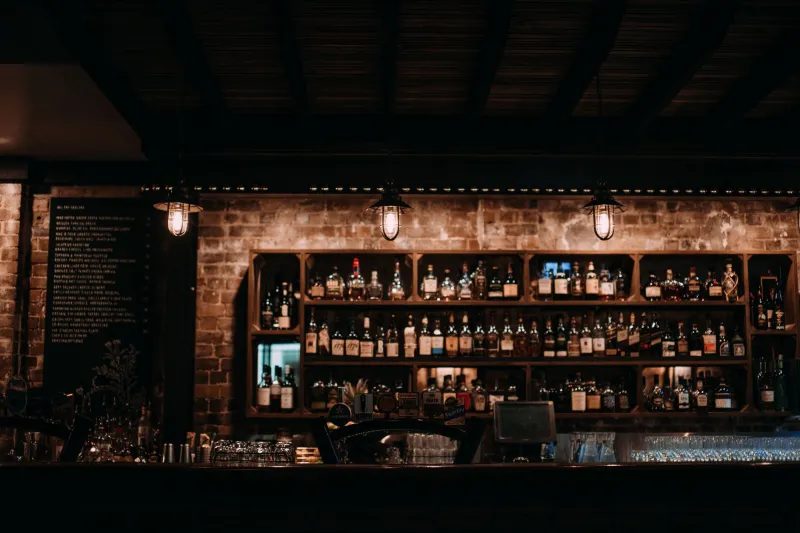
There is a moment, about halfway through a lazy lunch, when the menu stops being about food. You have chosen the soup, or the fish, or the plate of roasted vegetables you always order, and then someone asks the question that really decides the shape of the afternoon: what are we drinking?
In a good neighbourhood brasserie, that question should feel generous rather than transactional. The drinks list is not a test. It is the other half of the menu — the part that tells you whether a place understands that a Tuesday lunch and a Saturday supper ask for very different things. And in 2026, the best all-day spots are treating it that way.
The drinks list as a map of the day
A wine list can be beautiful and still be slightly beside the point at 1pm on a Thursday. What you want then is not a lecture on terroir. You want something that wakes up the palate without closing down the afternoon. That might be a low-alcohol aperitif with a little bitterness and a lot of citrus, served over ice with a strip of orange peel. It might be a pale, dry cider from a Kentish orchard, poured cold and treated with the same respect as a glass of white Burgundy. It might simply be a well-made elderflower pressé with a wedge of lime, which sounds modest until you realise how often it is done badly.
The point is that the drinks menu should move with the clock. At 1pm, it should be bright and undemanding. At 5pm, it should have one foot in the evening without rushing you there. By 8pm, it should be ready to sit down properly and stay awhile. A brasserie that gets this right feels less like a restaurant with a drinks list and more like a place that has thought about how a day actually unfolds.
One o’clock: the case for the low-alcohol lunch
Lunch is where the drinks list earns its keep. Too often, the choice is between a full glass of wine and a fizzy soft drink that tastes like it was designed in a laboratory. The middle ground is where the interesting work happens.
Look for a house aperitif that is lower in alcohol but not lower in character — something built on gentian, rhubarb, grapefruit or bitter orange. A spritz made with a good low-alcohol base and plenty of soda is a fine thing at 1pm, especially alongside something salty or fried. If the brasserie makes its own cordials, start there. A rhubarb cordial with soda and a slice of ginger is a very civilised way to begin a lunch that still has a chance of ending before dark.
And if you are drinking wine at lunch, drink it as the French do: a small glass, cold, with food, not as a prelude to a second bottle. The menu should make that easy by offering 125ml pours and a decent half-bottle selection. It is not stingy. It is thoughtful.
Five o’clock: the bridge hour
The 5pm table is one of the great underrated pleasures of neighbourhood dining. It is too early for dinner and too late for a coffee. This is where a proper pre-dinner drink comes into its own — not a cocktail that demands your full attention, but something long, cooling and quietly celebratory.
A local cider works beautifully here, particularly in autumn when the apples are sharp and the evenings are drawing in. So does a vermouth and soda with a green olive, or a house-made shrub topped with sparkling water. The ideal 5pm drink has a little bitterness and a little sweetness, and enough length to carry you through the conversation that begins with “shall we just stay for supper?”
This is also the hour when the drinks list should reveal a sense of place. If there is a brewery two miles away, or an orchard in the next county, say so. A neighbourhood brasserie does not need to shout about provenance, but it should be able to tell you where the cider comes from without consulting a spreadsheet.
Eight o’clock: settling in
By eight, the day has shifted. The lights are lower, the room is fuller, and the drinks menu can relax into something more substantial. This is where a well-chosen wine list still matters, but it should sit alongside beer, cider and alcohol-free options that have been chosen with equal care.
A good rule for the evening: match the weight of the drink to the weight of the food. A crisp local cider with pork and apples. A light red, served cool, with a plate of mushrooms on toast. A dark, malty beer with a slow-cooked dish that has been on the stove since lunchtime. And for anyone not drinking alcohol, a proper cordial or a low-alcohol beer that tastes of something other than disappointment.
The best brasserie drinks lists are not encyclopaedic. They are edited. They have a point of view. They make it easy to order something you would not have thought of yourself, and they do not make you feel foolish for asking what is in the house aperitif.
Drinking as part of the meal
None of this is complicated. It is simply a matter of treating drinks as part of the menu rather than an afterthought — something chosen with the same care as the bread, the butter and the first plate of the evening. A neighbourhood brasserie lives or dies on that kind of detail. Get it right, and the drinks list stops being a list at all. It becomes a quiet invitation to stay a little longer, order one more thing, and let the day take its course.