Before the First Course: How a Brasserie's Opening Moves Give the Game Away
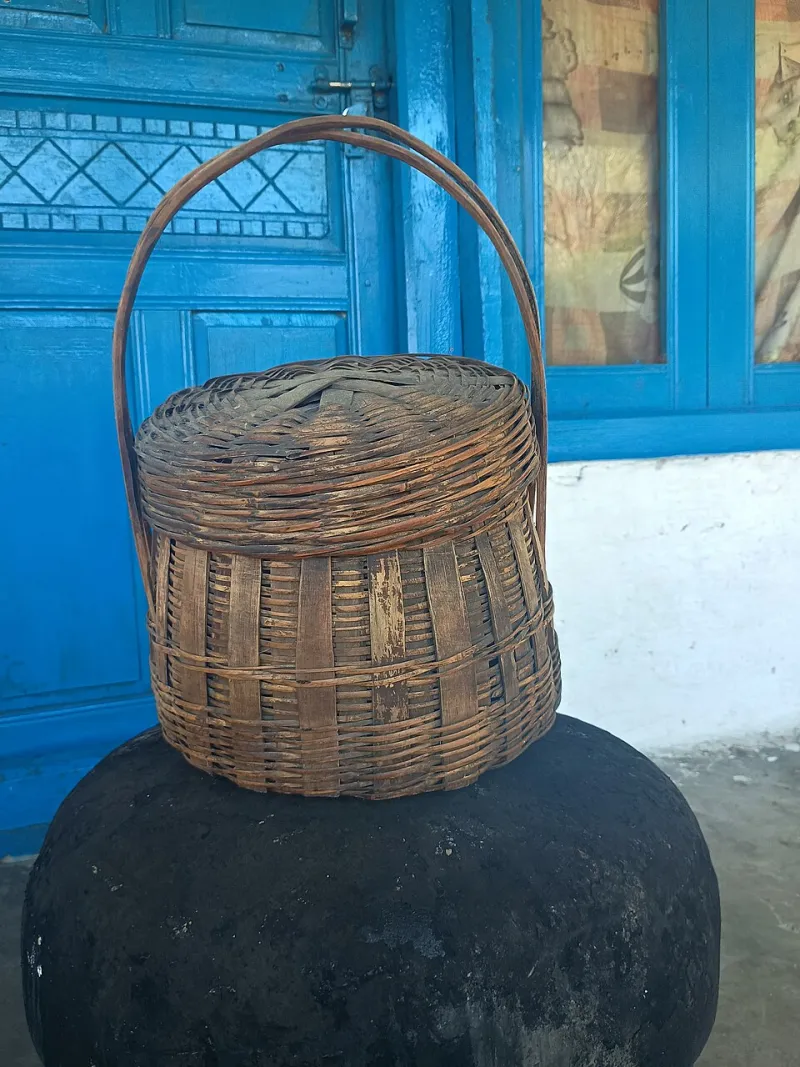
Photo: Rajani Gairshail, CC BY-SA 4.0, via Wikimedia Commons
A good brasserie can be judged before the first starter is ordered. Not scientifically, and certainly not with a scorecard, but in the way most of us quietly judge a place: by what happens in the first five minutes. The bread. The butter. The greeting. The water. The sense that someone has thought about the bit before the food.
This is the bread basket test, and it is not really about bread. It is about whether a kitchen is paying attention. At a neighbourhood brasserie, where you are just as likely to be a Tuesday regular as a Saturday first-timer, those opening moves tell you whether the place understands the whole shape of a meal.
The bread arrives first, and it says a lot
A bread basket is the cheapest thing on the table to get wrong and one of the easiest to get right. When it is good, it is quietly generous: a proper crust, a crumb with some life to it, butter that has been left out long enough to spread rather than tear. When it is bad, it is usually bad in a very specific way. Chilled butter in a little foil packet. Dry slices that taste of catering rather than baking. A basket that has clearly been filled at the start of service and forgotten by the middle of it.
The best versions do not need to be elaborate. A white sourdough with a dark, blistered crust. A seeded loaf with enough tang to stand up to a glass of something crisp. In November, a darker rye or a treacle loaf feels right; in summer, something lighter and more olive-oil friendly. That is seasonal thinking in its smallest, most useful form. It is not a press release. It is just a kitchen noticing what month it is.
Butter, salt and the feel of a place
Butter is where the opening really shows its hand. Room-temperature butter, lightly salted, in a small dish is a tiny luxury that costs very little and says plenty. It suggests the front of house has looked at the table before you sat down. A good olive oil is fine, too, but only if it is actually good: green and peppery rather than a vague yellow slick. The same goes for salt. If there is no salt on the table, that can be a deliberate choice, but it can also be the first sign that no one has thought about the last five per cent.
None of this is about finicky perfection. A neighbourhood brasserie should feel relaxed, not like a tasting-menu laboratory. The point is that the bread and butter set the tone. They tell you whether the kitchen is confident enough to begin simply. A place that can make a modest loaf taste worth your attention is usually a place that will not need to shout about the main course.
The pace of the greeting matters more than the smile
A warm welcome is lovely. A well-paced welcome is better. The best greeting gives you a beat to settle, take off a coat, look around and decide whether you are at the bar or at a table. It does not rush you into a drinks order before you have found your chair, and it does not leave you marooned for ten minutes wondering whether anyone has noticed you at all.
That rhythm is a useful clue. If the front of house is calm at the start, the kitchen is more likely to be calm too. If the greeting is frantic, the whole meal can feel like it is being chased. At a local spot, this matters even more. You are not just buying a meal; you are auditioning a habit. The first five minutes tell you whether this is somewhere you could pop into on a wet Wednesday or book for a birthday without crossing your fingers.
The water jug is not a small thing
Water is the quietest test of all. Does it arrive without a performance? Is the glass clean? Is there a jug for the table, or are you going to be flagging someone down every time you want a top-up? In a brasserie that is set up for all-day dining, water should feel like a given. It is not a favour. It is part of the table being ready for you.
The same goes for the pace of the menu. A good opening does not dump every question on you at once. It lets you look. It offers a little guidance if you need it, then steps back. That is the sort of hospitality that makes a neighbourhood place worth returning to: present without hovering, relaxed without being vague.
What the opening will not tell you
A brilliant bread basket cannot rescue a bad main course, and a slightly ordinary loaf does not mean the kitchen is in trouble. The opening moves are clues, not a verdict. But they are usually honest clues. A place that has thought about the first five minutes has probably thought about the next fifty. It has noticed that a meal is a sequence, not a series of separate transactions.
At Mombay Brasserie, we like to think of that opening as a small promise. Not a grand statement, just a signal that the table has been considered. The bread is warm. The butter is soft. The water is there. The pace is yours. By the time the first course arrives, you already know whether you are going to settle in or keep your coat nearby.
That is the real bread basket test. Not whether the loaf is the best you have ever eaten, but whether the first five minutes make you want to stay for the rest.