Christmas for Ten, Not Two Hundred: Booking a Local Brasserie with the Right Kind of Buzz
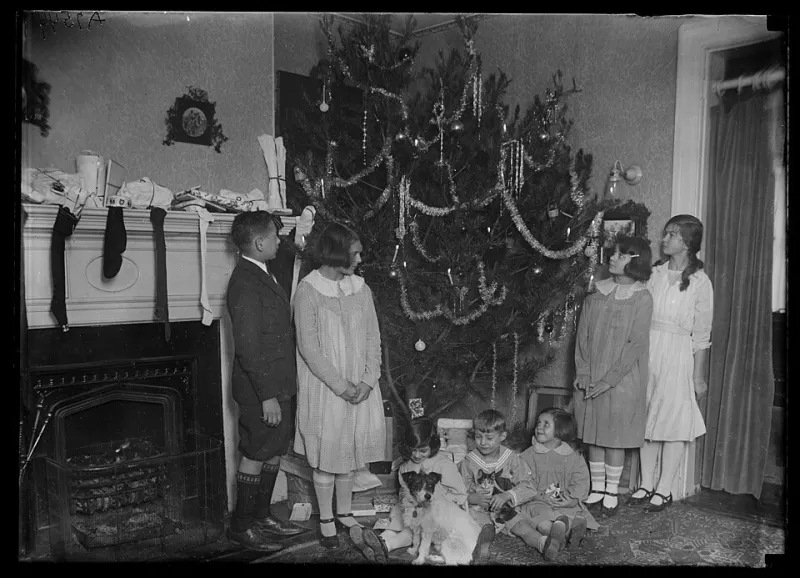
Photo: Harris & Ewing, photographer, Public domain, via Wikimedia Commons
The function-room problem
A Christmas dinner for ten should feel like a treat, not a conference. Yet every December, groups of friends, neighbours and small teams book hired function rooms that come with strip lighting, a projector nobody needs and a menu that tastes like it was cooked in a different postcode. The room is too big, the music is too loud, and the whole thing feels like an event rather than a meal.
There is a better way. For groups of six to twelve, a neighbourhood brasserie usually beats a hired space on atmosphere, value and flexibility. You get the buzz of a full room without losing your own table. You get a kitchen that is cooking for regulars, not just for office parties. And you get a Christmas gathering that feels like an extension of the neighbourhood, which is exactly what the best festive meals should be.
Pick the menu before the venue
Start with the food, not the room. A good brasserie will offer a set Christmas menu in 2026 that does the heavy lifting for you: two or three courses, a few choices per course, and a price that does not balloon once service and coffee are added. Ask exactly what is included. Are mince pies part of the deal? Is coffee? Is service charge already in the price, or does it land on the bill at the end?
A set menu is not a compromise. For a group, it is a relief. Nobody has to spend twenty minutes deciding, the kitchen can pace the meal properly, and the bill is easier to split. Look for a menu that reads like the restaurant's normal food, not a pared-back party version. If the brasserie is good on a Tuesday, its Christmas menu should feel like the same kitchen in a party hat.
Book early, but ask the right questions
For Christmas 2026, the safest window for a Friday or Saturday in December is late October to early November. Midweek dates are more forgiving, and a Tuesday or Wednesday gathering often gets you a better table and a calmer room. If your group is flexible, take the earlier slot. A 6.30pm sitting usually gives you a more relaxed pace than an 8.30pm one, especially if you want coffee and a proper conversation.
When you book, ask about table timings. Most brasseries will hold a table for around two to two and a half hours during the festive season, which is plenty for three courses. If you want longer, say so upfront. Ask whether you can pre-order wine, whether the deposit is per person or per table, and how late you can change numbers. A good restaurant will be clear about all of it. A vague answer now usually means a rushed meal later.
Dietary requests are normal now
A group of ten will almost always include someone who does not eat meat, someone who avoids gluten, and someone who is simply fussy. That is not a problem. It is just modern eating. Give the restaurant the numbers when you book, not on the night. Ask how the kitchen handles vegan and gluten-free versions of the set menu. A brasserie that cooks from scratch should be able to adapt without making anyone feel like a nuisance.
The worst approach is to leave it until everyone is seated and then hand over a list of requirements. The best approach is a short email two weeks before, with clear numbers and a note of anything serious. Most kitchens appreciate the warning. It means they can plan, and it means your guest gets something that looks like everyone else's dinner rather than an afterthought.
The neighbourhood effect
A local brasserie gives a Christmas group something a function room cannot: context. You walk past it on the way to the shop. You know the staff. The room is full of other people having their own celebrations, not a single corporate gathering with a seating plan. That background hum is part of the pleasure. It makes your table feel like part of the street, not sealed off from it.
For six to twelve people, this is the sweet spot. A table of ten is big enough to feel like a party and small enough that nobody has to shout. You can hear the person opposite. You can pass the sprouts. You can order a second bottle without summoning a manager. And when the meal ends, you are already in the neighbourhood, ready for a walk home or a drink somewhere else.
That is the real argument for booking a brasserie this Christmas. Not because it is cheaper, though it often is. Not because it is easier, though it usually is. But because the best festive gatherings do not feel like events. They feel like a good local meal, with crackers, a few more people than usual, and the comfortable sense that you are exactly where you should be.