One O'Clock on Friday: The Most Civilised Start to the Weekend
Photo: Edward, CC BY-SA 4.0, via Wikimedia Commons
The Friday afternoon that isn't a write-off
There is a particular kind of Friday energy that arrives just after midday. The morning's meetings are done, the inbox has thinned out, and the weekend is close enough to taste. For years, the sensible move was to push through until 6pm and then go straight to the pub. In 2026, more of us are choosing a different ending to the working week: a long lunch that starts at one o'clock and finishes when the afternoon has softened into early evening.
This is not a boozy blowout. It is a reset. A proper table, a couple of courses, perhaps a glass of something cold, and the rare pleasure of eating without watching the clock. The long Friday lunch is quietly becoming a neighbourhood ritual, and brasseries are uniquely placed to make it work.
Why Friday lunch has changed
Hybrid work has blurred the edges of the week. For many people, Friday is no longer a full office day with a commute at both ends. It is a day split between home, a desk, and the promise of an early finish. That shift has created space for a meal that sits between work and weekend — a handover, not an escape.
The old Friday lunch was often a rushed sandwich at the desk or a lukewarm buffet in a meeting room. The new version is slower and more deliberate. It says: the week is done, even if the last email was sent at 12.58pm. You do not need to wait for 7pm to mark the occasion. A 1pm table gives you the afternoon back. You can eat properly, talk to someone you like, and still be home before the school run or the early evening film.
There is also something civilised about daylight. A Friday lunch in November may be grey outside, but the room is warm, the lights are low, and the kitchen is wide awake. You are not competing with the late-night crowd. You are part of a smaller, quieter club of people who have decided that the weekend starts now.
The brasserie advantage
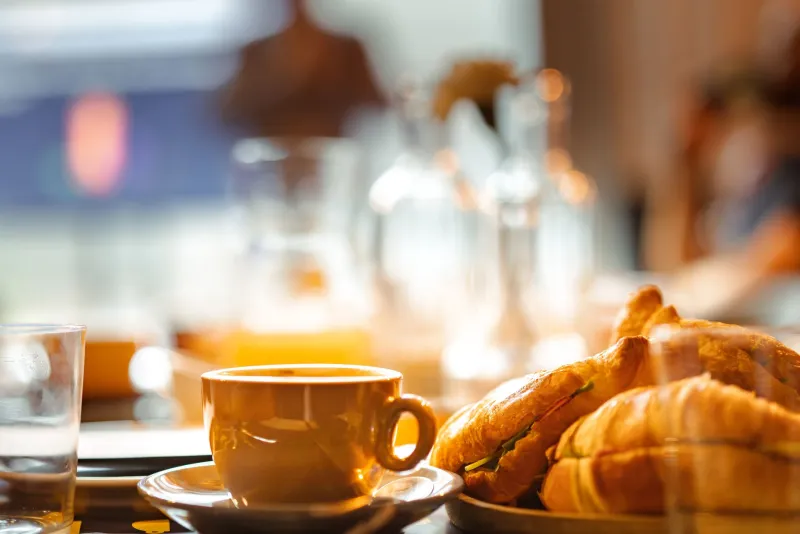
A brasserie is made for this slot. The kitchen is all-day, so you are not squeezing into a narrow service window. The menu can stretch from a bowl of soup and a sandwich to three proper courses, depending on how the week has treated you. You can order a starter you would not normally bother with at dinner, or share a plate of something salty and fried while you decide.
Just as important is the room. A good neighbourhood brasserie does not rush you. The table is yours for a couple of hours, not forty-five minutes. Service reads the mood: attentive when you need it, invisible when the conversation is good. There is no function-room formality, no corporate playlist, no sense that you are at an event. You are simply eating lunch, a little later and a little longer than usual.
That relaxed timing matters. A Friday lunch should not feel like a meeting with food. It should feel like the first good decision of the weekend. Brasseries understand that better than most. They are built for lingering, for second coffees, for the moment when someone says, 'Shall we have pudding?' and nobody checks their watch.
How to do it properly
Book for 1pm if you can. That gives the kitchen time to settle after the lunch rush and leaves the afternoon open. Ask for a table that is not needed back until 3.30pm, and say so when you book. A good restaurant will appreciate the honesty and plan accordingly.
Order what you actually want, not what you think a Friday lunch should look like. If that means two starters and no main, fine. If it means the fish, a side of greens, and a glass of white, even better. The point is not to tick boxes. The point is to eat well without turning the afternoon into a project.
Keep the guest list small. Two to six people is the sweet spot. A long Friday lunch works best when everyone can hear each other and nobody is performing. It is not the moment for a table of twenty or a surprise birthday. Save those for the evening. This is the quiet, civilised version.
And leave the laptop at home. The whole ritual depends on a clean break. If you are checking emails under the table, you have missed the point. The week is over. Let it go.
A small ritual worth keeping
The long Friday lunch will not suit every week. Some Fridays are too busy, some budgets too tight, some afternoons too full. But as an occasional habit, it is hard to beat. It turns a dead afternoon into something to look forward to. It supports local restaurants at a time when they are often quiet. And it gives the weekend a proper beginning, rather than a vague drift from desk to sofa.
Brasseries should own this slot. Not with a gimmick or a discount, but with the things they already do well: a welcoming room, a flexible menu, and the confidence to let lunch last. The best weekends do not start at 7pm on a Friday. They start at one o'clock, with a table by the window and nowhere else to be.