The Quiet Hour: Why Late Afternoon Is the Best Seat in the House
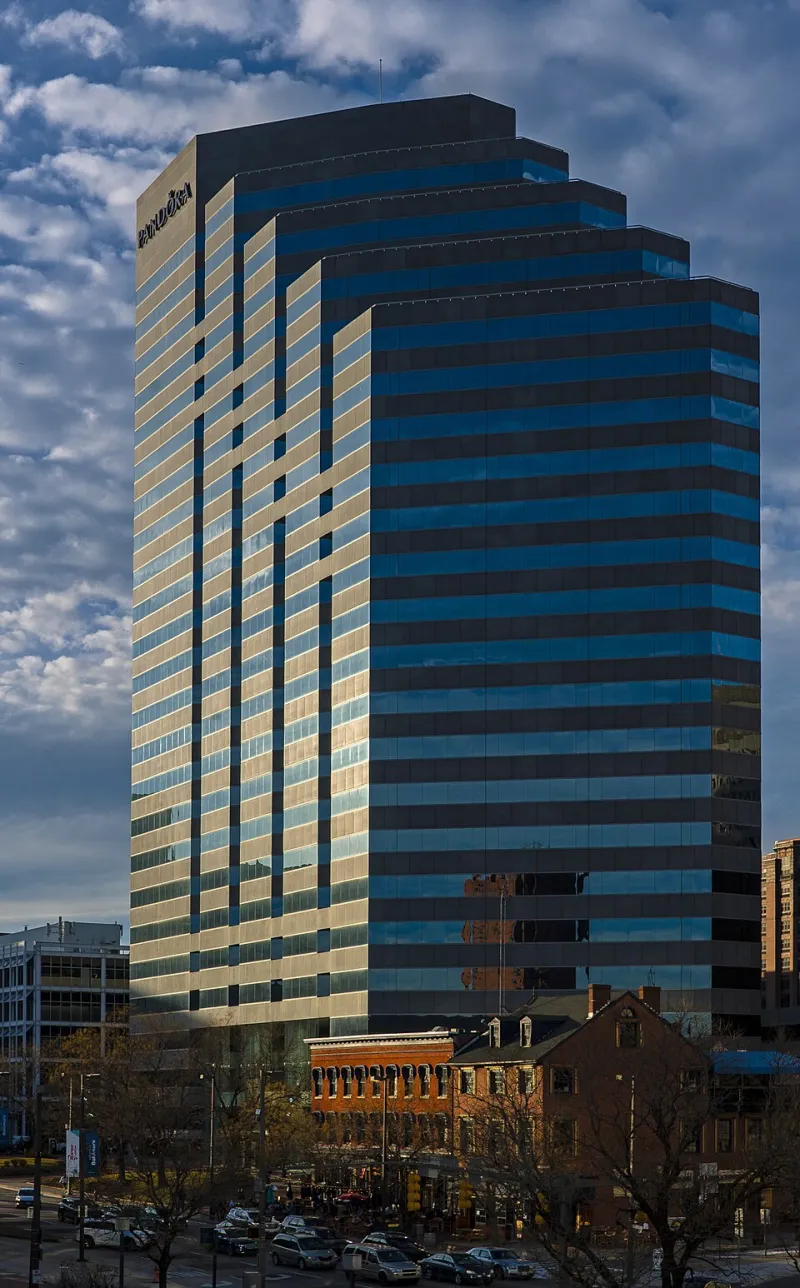
Photo: Daniel Case, CC BY-SA 3.0, via Wikimedia Commons
It's twenty to three on a Thursday and the room has that particular hush about it. The last lunch plates have gone back, the coffee machine has stopped shrieking, and the light coming through the window has gone that low amber colour that only arrives in November. In half an hour, a handful of tables will fill. Not the lunch crowd, not the dinner crowd, but something in between.
We've spent years talking about the death of the set lunch, the rise of the all-day menu, the great reshuffling of how and when Britain eats. Somewhere in all that noise, one slot got quietly overlooked. Three o'clock. The hour nobody books.
The gap between the sittings
Restaurants have traditionally treated mid-afternoon as dead time. Service ends, the kitchen resets, the lights get turned down a notch and everyone waits for the evening to start. It's a rhythm inherited from an era when lunch meant a sandwich at a desk and dinner meant 7.30pm sharp.
But a lull is only a lull if nobody's in it. And increasingly, people are.
Who's actually at the table
Three types keep turning up, and they're more alike than you'd think.
The first is the laptop-closer. Hybrid working has scrambled the old nine-to-five, and a good chunk of the neighbourhood now finishes a shift at two, or starts one at six, or works in that strange elastic way where the office is wherever the wi-fi is. For these diners, 3pm is the honest meal. Too late for lunch, too early for dinner, and far too good an opportunity to waste on a sad desk salad.
The second is the long catch-up. Two friends who haven't seen each other since the summer, a parent and a grown-up child, a pair of former colleagues who've been meaning to do this for months. The late afternoon gives them something the evening never can: time. No second sitting breathing down their necks. No subtle reaching for the bill.
The third, and perhaps the happiest, is the early eater. Plenty of us simply don't want a heavy meal at eight o'clock any more. A 3pm table lets you eat properly, walk home in the dark, and be entirely at peace by nine. It's not an odd habit. It's just a different rhythm, and one the neighbourhood has quietly made room for.
What the kitchen can give you at three
There's a practical advantage to the quiet hour that rarely gets mentioned: the pass is calm.
When a kitchen isn't firing forty covers at once, things change. Dishes that need a little patience become possible. You can ask what's just come off the stove, and get a proper answer. You can order something that takes twenty-five minutes and nobody minds, least of all you.
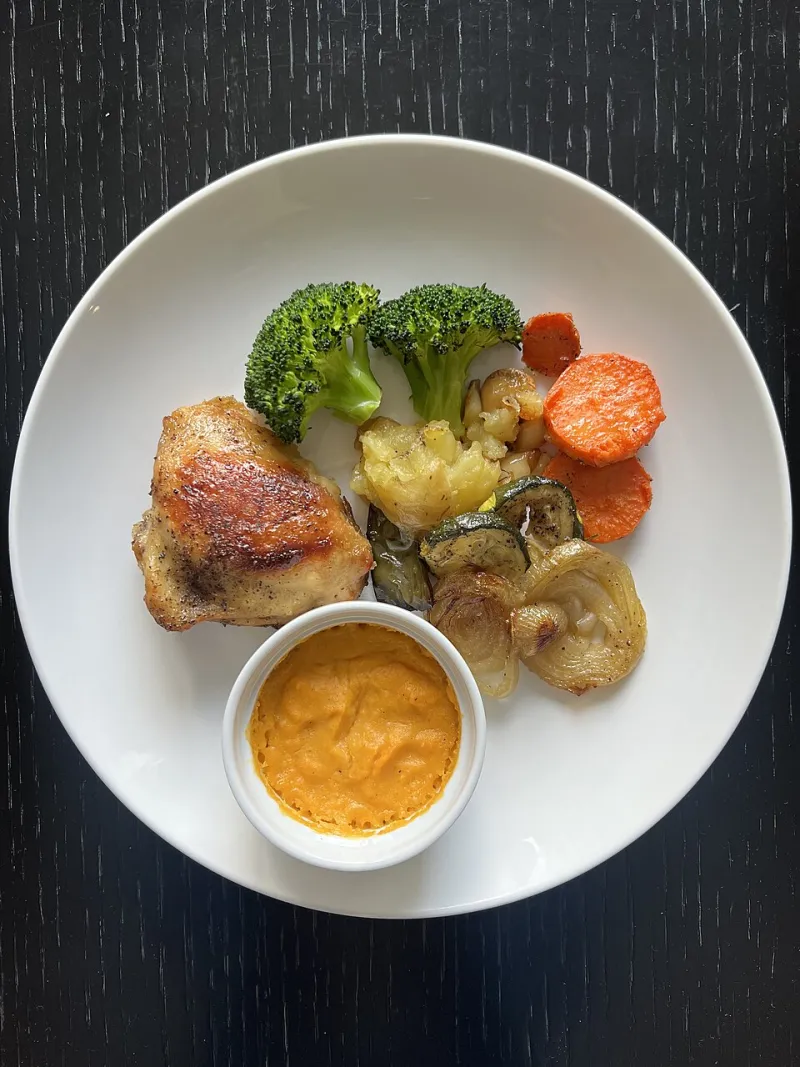
It's also when the day's cooking is at its most settled. By three, the stocks have had their hours, the bread has proved, the vegetables have been prepped with the morning's energy rather than the evening's urgency. What arrives at your table is often the same food as at seven, just delivered with more breathing room.
How to order across the menu
A late-afternoon meal rewards a slightly different approach to the one you'd take at dinner. A few things worth trying:
- Start lighter than you think. Two small plates rather than a main is often the right call at this hour, particularly if you've had a proper lunch and just want something well made.
- Ask what's good right now. At 3pm there's a real chance of a straight answer, and it's usually whatever the kitchen has been quietly proud of all day.
- Order a side or two and share them. Sides are where seasonal cooking hides out, and at this hour they make a perfectly civilised meal on their own.
- Don't skip pudding. This is the great advantage of eating early. You've got the whole evening ahead of you and no reason to say no to the tart.
- Stay for coffee. The best part of the quiet hour is that it stays quiet. Nobody is going to move you along.
The light is better, too
There's a reason photographers call it the golden hour. Between three and half past four in the winter, the light in a decent dining room does something flattering and unhurried. You can see your food. You can see your companion. You don't need a phone torch to read the menu.
Come the spring, the same slot stretches out into a long, pale afternoon where the windows are still bright at six. Either way, you're eating in daylight, which turns out to be a small luxury most of us gave up without noticing.
A small manifesto for the in-between
The brasserie has always been a place for the flexible hour. It was never designed around a single rigid sitting; it was designed around the idea that a neighbourhood should have somewhere to eat whenever the day requires it. Somewhere between the school run and the last train. Somewhere a person can sit down at an odd hour and be fed properly without ceremony.
So if you've been circling the same 7.30pm booking for years, try something different this week. Book the table at three. Bring a friend you've been meaning to see. Order the things you'd normally skip because you're too full. Watch the room go from empty to gently busy and back again.
The hour nobody books is, it turns out, the one worth booking.