Eggs, Bread, and Nowhere to Be: In Praise of the Lingering Breakfast
There is a certain kind of morning that begins with good intentions and ends at a desk. Coffee goes into a paper cup. A pastry is eaten standing up, or worse, beside a keyboard. By ten o’clock the first meal of the day has already blurred into a list of things to do. It is not that anyone plans it this way. It is simply that mornings have become a queue to be survived.
A brasserie breakfast can interrupt that pattern. Not with ceremony, and not with the fuss of a special occasion, but with something far more useful: a table, a chair, and enough time for the coffee to arrive before the eggs do. The first sitting of the day deserves better than a pit stop. In a neighbourhood, it can be one of the most civilised hours there is.
The Pit Stop Problem
We have become very good at the quick breakfast. The café queue, the folded croissant, the takeaway cup with the name misspelled on the side. None of it is bad. A good pastry is a fine thing, and a strong coffee can rescue a morning. But speed has a way of making everything feel the same. You eat, you leave, and by lunchtime you cannot quite remember what you had.
The pit stop is not really about breakfast. It is about getting to the next thing. That is why a proper morning table feels different. It asks you to sit down. It gives you a plate rather than a bag. It lets the first hour of the day be an hour, rather than a gap between two others.
What a Proper Morning Table Offers
At its best, a brasserie breakfast is simple in the right way. Eggs cooked with care. Bread that tastes of something. Butter that is not apologetic. Coffee that is hot enough for a second cup. The menu need not be long. It needs only to be considered.
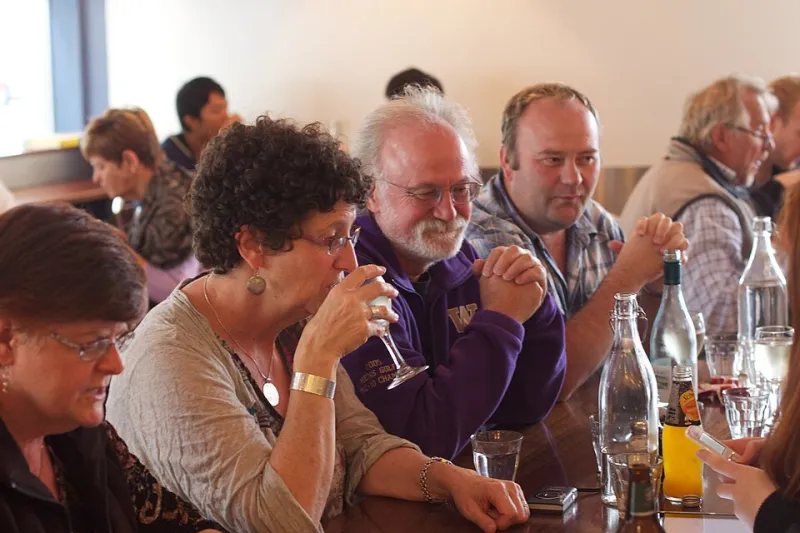
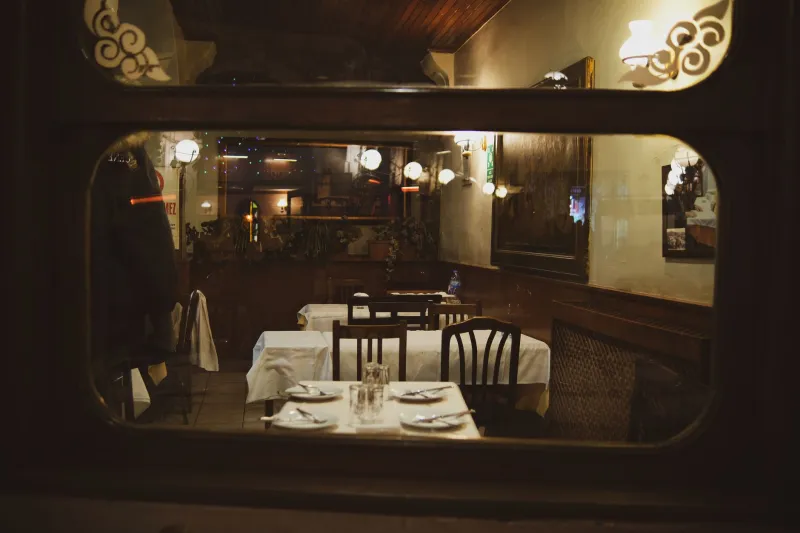
There is also the room itself. Morning light, a few quiet tables, the low hum of people who are not yet in a hurry. A brasserie at nine-thirty has a different character from a café at eight. The commuter rush has thinned. The lunch service is still a way off. The staff have time to bring water, to ask whether you want the toast now or with the eggs, to leave you alone when you do.
That rhythm is the real luxury. Breakfast out is not only about the food. It is about the pause before the day takes hold.
A Weekday Breakfast, Reconsidered
A weekday morning is never going to be entirely free. There are trains, emails, school runs, and the small negotiations of ordinary life. But a weekday breakfast out does not have to be a holiday. It can be a small adjustment. Book a table for nine-thirty rather than squeezing in a coffee at eight. Order one cooked dish and one piece of good bread. Give yourself forty-five minutes, not two hours.
The nine-thirty table is often the calmest in the house. It sits after the first wave and before the lunch bookings. If you are meeting someone, it is a kinder place to talk than a crowded café. If you are alone, it is a table where reading the paper does not feel like an act of rebellion. The day still begins. It simply begins with a plate and a chair.
Weekend Without the Scramble
The weekend has its own breakfast problem: everyone wants it at the same time. By eleven on a Saturday, the queue can feel like a civic event. By noon, the room is loud and the kitchen is busy. There is nothing wrong with that buzz, but it is not the only way to do a weekend morning.
Going earlier changes the experience. A nine-thirty table on a Saturday still has the morning in it. The market may not have filled up. The dog walkers are out. The first coffee tastes like the day is still ahead of you. On a Sunday, the same table can stretch into the papers, a second pot, and a conversation that does not need to end. This is not brunch as a performance. It is breakfast as a place to be.
How to Make the Most of It
A few small habits make a morning table worth the trouble. Order coffee before you decide on food, so the first cup arrives while you are still thinking. Ask what is good that day, especially if the menu leans seasonal. Share a plate of bread for the table, even if you are only ordering eggs. Sit away from the door if you can; the draught and the coming-and-going can make a short breakfast feel even shorter. And when the second coffee is offered, take it.
The most important habit is simply to stay. Not for hours, and not out of obligation, but long enough for the meal to register. Put the phone face down. Look out of the window. Let the morning be a morning.
The Neighbourhood Advantage
A local brasserie has an advantage that a station café never will: it knows the rhythm of its street. The early dog walker, the parent who has just dropped off the children, the two friends who meet on the same weekday each month. Over time, the nine-thirty table becomes a familiar place rather than a pit stop. That familiarity is not a small thing. It is what turns breakfast out from an errand into a ritual.
The first sitting of the day is not the warm-up for the real service. It is part of the day itself. At Mombay Brasserie, that is the spirit we return to: good eggs, good bread, strong coffee, and a table that does not hurry you along. The morning is better when you give it an hour.