Six Chairs, One Long Conversation: Booking the Friendship Supper
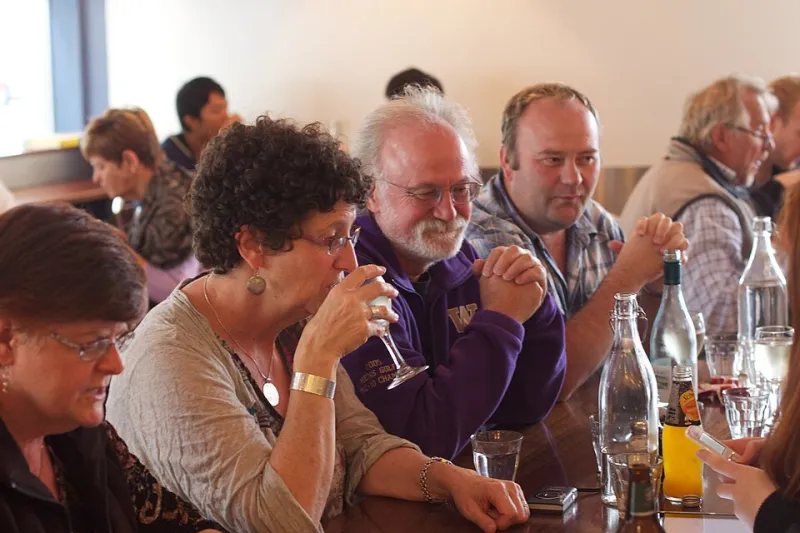
Photo: cogdogblog, CC BY 2.0, via Wikimedia Commons
There is a particular kind of evening that never makes it into the big occasions list. Nobody is turning thirty. Nobody has flown in from abroad. There is no card, no speech and no need to book a taxi home in a hurry. It is simply dinner with friends — the people who know how you take your tea, who have seen you through dull jobs and flat moves, and who you keep meaning to see properly.
And yet, this is the meal most likely to be reduced to a last-minute message and a pub table that is really a ledge. Friendship, for all its ease, deserves a little more planning than that. Not a military operation. Just a proper booking.
The date that never gets diarised
Birthdays get booked. Anniversaries get booked. Work dinners get booked because somebody else is organising them. Friendship suppers are often left to chance, which is why they slip. One person is free on Thursday, another has football, a third is trying not to spend much until payday. By the time a date is agreed, everyone is too tired to think about where to go.
The fix is not complicated. Pick a date further out than feels natural. Put it in the diary as if it were a concert ticket. Choose a place that can hold six people without making them perch. In 2026, with calendars that fill up faster than we like to admit, the friendship supper needs the same small act of care as any other plan worth keeping.
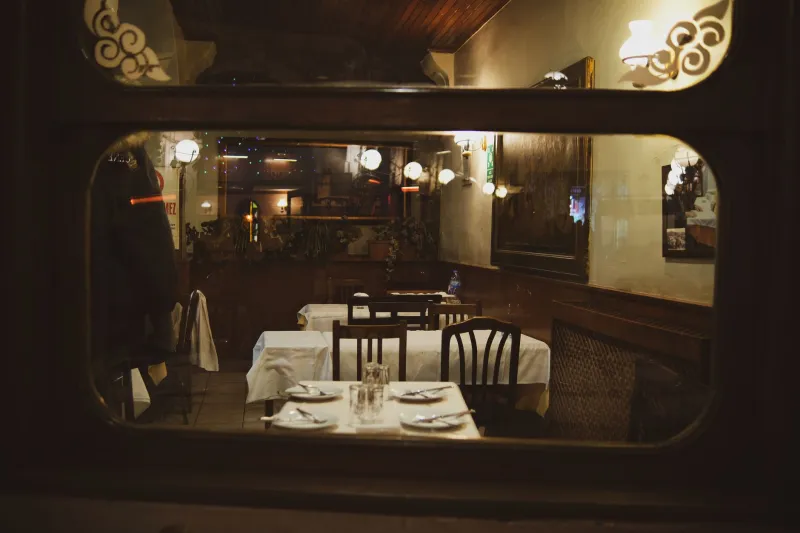
A neighbourhood brasserie is well suited to this. It is not a special-occasion restaurant that expects a toast, and it is not a pub where the only table is next to a speaker. It sits comfortably in the middle: a proper meal, a proper seat, and no pressure to turn the evening into an event.
Choose the slot, not just the day
Most people book a day and then worry about the time. Better to start with the time. A 7pm table on a Friday can work, but it often catches everyone at the end of a long week, hungry and slightly brittle. A 7.30pm table on a Wednesday can feel calmer, with more room for the conversation to stretch. An early Saturday supper, say 6pm, leaves the rest of the evening open without making anyone feel they have been dismissed.
The right slot depends on the group. If there are small children at home, an early sitting is a kindness. If people are coming from work, allow twenty minutes for trains and coats. If the group has not met for months, book for longer than you think you need. A brasserie that serves all day is useful here: it can accommodate the early family-friendly table and the later, slower one without making either feel like a compromise.
A table that can hold the conversation
There is a difference between a table that seats six and a table that holds six. The first is a number. The second is a shape. A long, narrow table can make the far end feel like a separate dinner party. A round or generously sized square table lets everyone join the same conversation without shouting down the length of the room.
When booking, it is worth asking how the table sits. Is it near the door? Under a speaker? In the path to the loos? These are not fussy questions. They are the difference between an evening that flows and one that has to be rescued. A good neighbourhood brasserie will know its own room well enough to advise. If the booking is for a group, say so clearly. Six people need space for glasses, plates, elbows and the inevitable phone left on the table.
Order for the middle, not for the performance
There is a temptation with group dinners to turn the menu into a project. Everyone orders a starter, a main and a pudding, and the table becomes a row of separate plates. That can be fine, but it is not always the most sociable way to eat.
A better approach is to order generously for the middle. A few vegetable plates, something salty, something warm, a dish or two that everyone can reach. Then let people add their own main if they want one. This is not a tasting menu. Nobody needs to be told what order to eat in. The point is to keep the table busy and the conversation loose, so that nobody is waiting politely while someone else finishes.
At a brasserie, this works particularly well. The menu tends to have enough range for different appetites without becoming a quiz. Someone can have a light lunch-style plate, someone else can go for the full dinner, and the table still feels like one meal rather than several separate ones. Order the bread. Order the sides. Ask for an extra spoon. These small acts make a table feel looked after.
Why the neighbourhood brasserie fits
Friendship suppers are not usually about novelty. They are about familiarity, with enough care to show that the evening matters. A neighbourhood brasserie understands that rhythm. It is local enough to be easy, but considered enough to feel like a proper night out. It does not demand a special occasion. It simply provides a good room, a steady kitchen and a table that can take its time.
That matters more than ever in 2026. People are seeing friends across busy weeks, complicated journeys and competing demands. A local spot removes the friction. Nobody has to navigate a big city centre or book a taxi across town. They can walk, meet at the door, and settle in.
The small admin of showing up
The booking itself is not the whole point, of course. But it is a signal. It says this evening is worth protecting. It says the group is not just a chat thread. It says that friendship, even the easy kind, deserves a chair and a table and a little space on the calendar.
So choose the date. Pick the slot. Ask for the round table near the window. Order a few things for the middle and let the evening run. The friendship supper does not need to be grand. It just needs to be booked properly.