The Dish You Didn't Come For: Why the Daily Pot Is the Best Order in the House
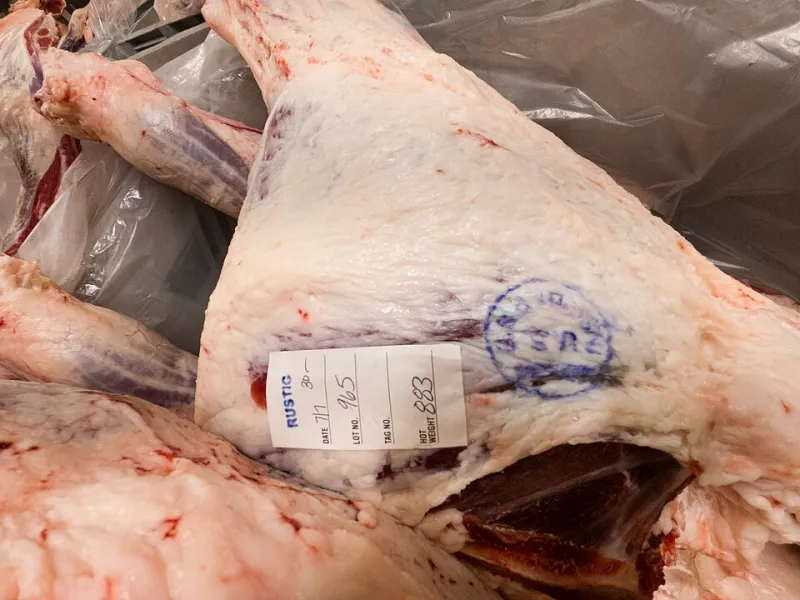
Photo: USDAgov, Public domain, via Wikimedia Commons
There is a line on the menu at Mombay Brasserie that rarely gets a second glance from a first-time table. It sits near the bottom, under a small heading — Today’s Pot, perhaps, or From the Braise. It changes with the week. It is almost never the dish someone photographs for Instagram. And it is, more often than not, the best thing on the table.
A Menu Line That Reads the Sky
By mid-November 2026, the weather has made its decision. The clocks have gone back, the pavements are damp by four, and the idea of a plate of something long-cooked and slow-simmered stops being a nice idea and starts being a necessity. A daily braise is the kitchen’s weather report. When the forecast turns, the pot turns with it: beef shin and barley one week, cider-braised pork with apples the next, a mushroom and chestnut number for the vegetarians who are tired of being an afterthought.
This is not a fixed recipe dressed up as a special. It is a decision made that morning, after the delivery has been unpacked and the chef has looked at what is actually good. Leeks with a bit of grit and sweetness. Celeriac that deserves better than a remoulade. A bag of pearly barley. The daily pot is where those ingredients go to become something greater than the sum of their parts.
The Honesty Test
If you want to know what a brasserie is really like, order the pot. A kitchen can hide behind a steak or a plate of pasta. It cannot hide behind a braise. A braise needs time, seasoning, and a cook who has tasted it along the way. If it arrives thin and tired, you know. If it arrives glossy and deep, with meat that gives way under a spoon, you know that too.
There is also something refreshingly unpretentious about a dish that does not try to be clever. It is not stacked. It does not come with a foam. It does not need a smear of anything. It is a bowl of food that has been on since nine in the morning, and it is proud of that.
Value You Can Taste
The daily pot is often the best-value thing on the menu, and not because it is cheap in spirit. Braising cuts — shoulder, shin, cheek, thigh — are less fashionable than fillet, but they carry more flavour. Long cooking turns them tender. Root vegetables, pulses, and grains stretch the pot without diluting it. The result is a dish that feels generous without being extravagant.
At lunch, it is a bowl and a spoon, maybe a slice of bread and butter on the side. At supper, it is a plate with mash or rice, a spoonful of something green, and a glass of something sturdy. It works at both ends of the day, which is the whole point of an all-day brasserie. You do not need to build a three-course meal around it. The pot is the meal.
Why It Never Trends
Social media has done strange things to restaurant menus. Dishes are designed to be photographed from above: tall, colourful, garnished with something that wilts under a phone light. A braise is none of those things. It is brown. It is soft. It sits in a bowl and looks like what it is: dinner.
But the table that orders it knows something the first-time visitor does not. The pot is the dish the neighbourhood orders twice — once on a wet Tuesday, once on a Sunday when nobody can be bothered to cook. It is the one the staff recommend quietly, the one that sells out before the kitchen has finished prepping the à la carte. It does not need a filter.
How to Order the Pot Properly
Ask what is in it. Ask what it comes with. Ask if it has been on since morning, though you can usually tell by the smell when it reaches the table. Do not complicate it with too many sides. A bowl of greens or a sharp little salad is enough to cut through the richness. If you are drinking, a red with a bit of grip or a dry cider works better than anything too delicate.
And if you are dining alone, the pot is one of the most companionable things you can order. It asks nothing of you. It does not need to be admired. It just needs to be eaten.
The Neighbourhood’s Quiet Favourite
At Mombay Brasserie, the daily pot changes with the market and the forecast, but its role stays the same. It is the anchor of the all-day menu. It is the dish that says the kitchen is cooking for the neighbourhood, not performing for a review. It is the reason a rainy lunch can feel like a small holiday, and the reason an early supper can feel like exactly the right amount of effort.
So next time you find yourself reading the menu from top to bottom, trying to decide between the things you always order and the things you think you should, look for the line that changes. Ask about the pot. It knows the weather. It knows the market. And it probably knows what you want better than you do.